Cancer Healing Temples
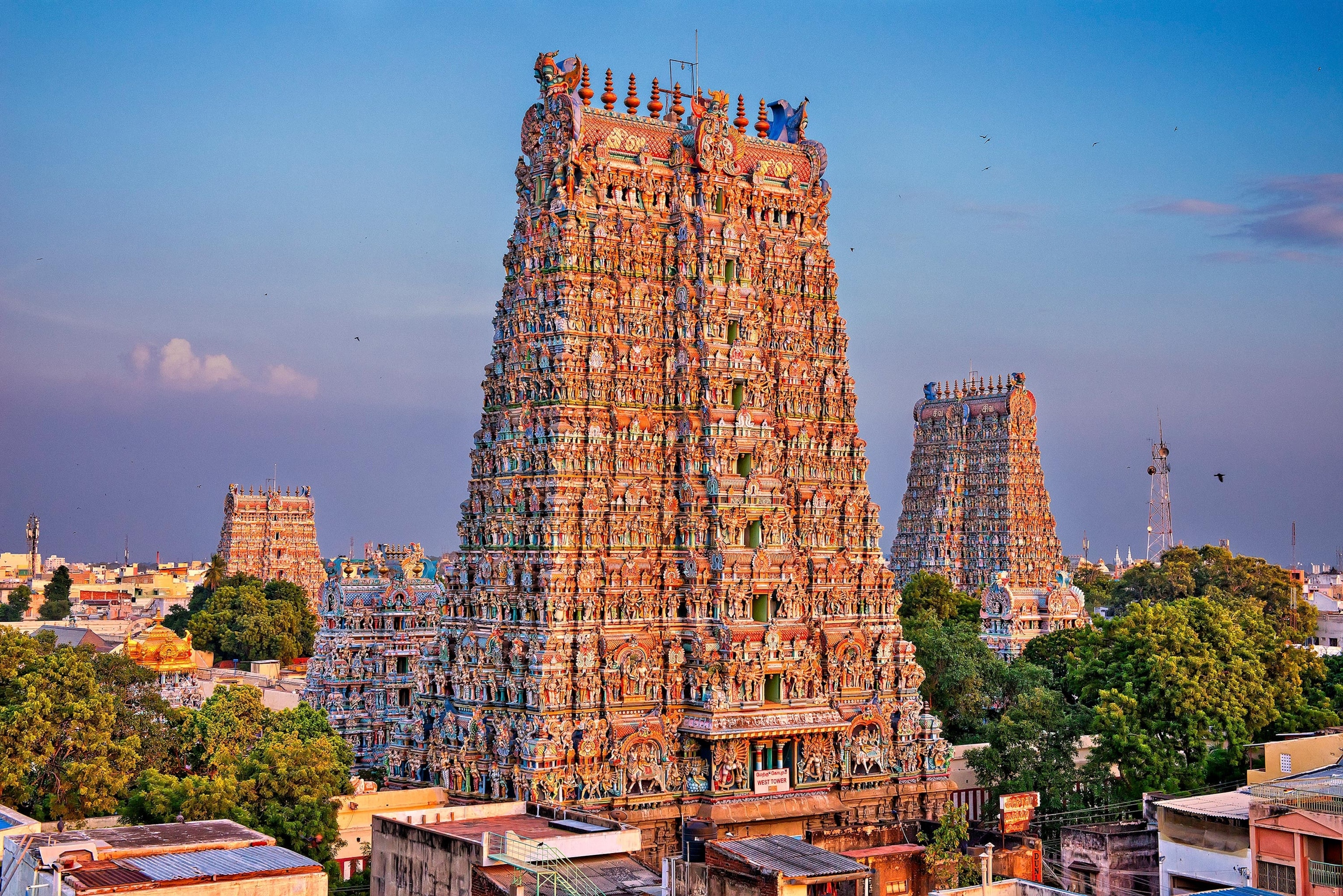
Ettumanoor Mahadeva Temple
Seven Sacred Temples · Mrityunjaya Grace · 41-Day & 12-Day Protocols
Understanding Cancer Healing Temples
In ancient India, temples were not merely places of worship — they were centres of healing and consciousness transformation. The Agama Shastra describes the energy field of a consecrated temple as a Shakti Kshetra — a field of divine power. Cancer healing traditions rely on three vehicles: Abhishekam Jalam (charged holy water), Prasadam (energetically transformed food), and Theertham (sacred water bodies), practised over sacred durations of 3, 11, 12, or 41 days.
About the Temple
This volume documents seven temples across Kerala, Tamil Nadu, and Karnataka sought for cancer healing. Each addresses cancer through a distinct tradition: Ettumanoor's 41-day prasadam protocol under Mrityunjaya's grace; the Karkadeswarar "Crab Temple" whose very name shares the root of the Cancer zodiac; the Trichy "Chemo Temple"; Begur's lemon-and-turmeric mala for blood cancer; the Pagampiriyal shrine where Lord Vishnu was healed of cancer; the emerald-Linga tirtha at Thirumangalakudi; and Adyapady's sandalwood protocol for lung cancer. All are intended to complement — never replace — medical oncology treatment.
Why This Temple?
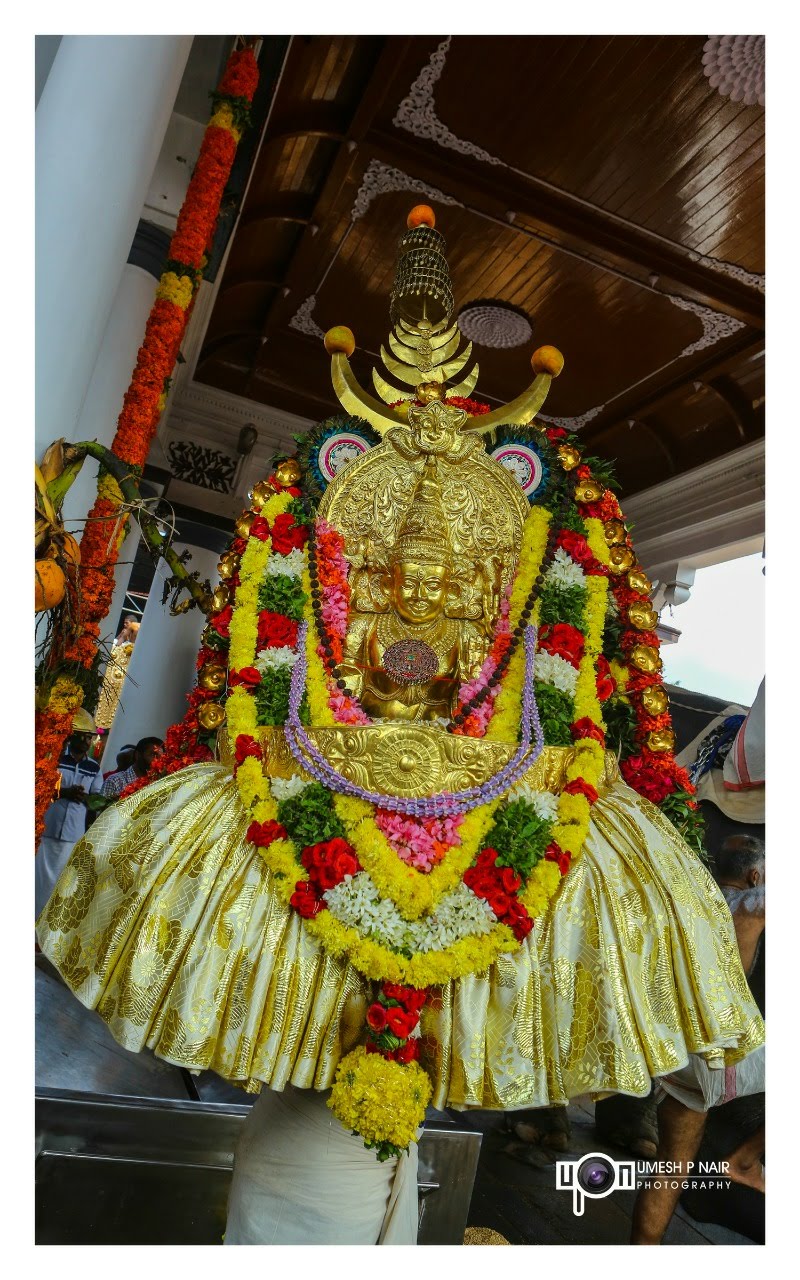
Lord Shiva is worshipped as Mrityunjaya, the conqueror of death, and the Maha Mrityunjaya Mantra is the most powerful healing mantra in Sanskrit. Modern oncology increasingly acknowledges the impact of hope, reduced cortisol, improved immune response, and spiritual wellness on treatment outcomes — so these temples function as both spiritual and psycho-somatic healing environments alongside medical care.
Sacred Rituals & Offerings
41-Day Prasadam Protocol (Ettumanoor)
Make a formal Sankalpa (healing vow) in the patient's name, receive consecrated prasadam daily for 41 continuous days, recite the Maha Mrityunjaya Mantra 108 times daily, and continue all cancer treatment simultaneously. Families often assign a member to visit when the patient cannot travel. Thulabharam (weighing the patient against offerings) completes the vow.
The 3-to-11-Day Sleeping Protocol (Karkadeswarar)
Cancer patients and families sleep inside the temple premises for 3–11 days, so the sacred energy works during the receptive state of sleep. Includes Rudra Abhishekam on day one, daily Maha Mrityunjaya Japa, a Maha Mrityunjaya Homam, and drinking the abhisheka jalam each morning. Since Cancer is ruled by the Moon, Chandra Shanti rituals are also performed.
11-Day Abhisheka Jalam (Chemo Temple, Trichy)
At the Paraithurainathar "Chemo Temple" on the Kaveri, the abhisheka jalam (holy water from bathing the Lingam) is consumed daily as divine medicine over an 11-day protocol, particularly sought for breast and colon cancer.
Lemon & Turmeric Mala for Blood Cancer (Begur)
At the 1,300-year-old Panchalingeshwara Temple, devotees offer a mala of lemons and turmeric to Ammavaru — a traditional remedy specifically for blood cancer.
Sandalwood 12-Day Protocol (Adyapady)
At Adhinatheshwara, the Gandha Prasada (sandalwood paste) and medicinal spring water are used daily for 12 days for lung cancer and respiratory conditions.
Om Tryambakam Yajamahe Sugandhim Pushti-Vardhanam · Urvarukamiva Bandhanan Mrityor Mukshiya Maamritat
“The Maha Mrityunjaya Mantra — we worship the three-eyed Lord who nourishes all beings; may He free us from the bondage of death, like a ripe cucumber from its stem, granting immortality.”
The Healing Protocol
Choose the temple whose tradition matches the condition (all-cancer, blood cancer, lung cancer, chronic)
Make a formal Sankalpa (healing vow) in the patient's name
Follow the temple's sacred duration precisely — 3, 11, 12, or 41 days
Recite the Maha Mrityunjaya Mantra 108 times daily throughout
Consume the temple's prasadam / abhisheka jalam / theertham as prescribed
Complete the vow with Thulabharam or Homam where the tradition calls for it
Continue chemotherapy, surgery, and radiation — these temples complement, never replace, oncology
Devotee Testimonials
“A devotee who suffered epileptic seizures for years performed a 41-day penance, received medicated blessed ghee from the head priest, and his seizures ceased after completing the period.”
“Families following the 41-day prasadam protocol at Ettumanoor describe it as a disciplined vigil of faith — sacred water, transformed prasadam, and temple theertham taken over the full sacred duration.”
“Devotees suffering from chronic cancer report significant reduction in pain and fatigue after sleeping in the temple for as few as three nights; families document unexpected stabilization of condition after the Maha Mrityunjaya Homam.”
“At Pagampiriyal Kovil, the tradition holds that Lord Vishnu himself was healed of a cancerous affliction — a legend that continues to draw patients seeking the same divine intervention.”
These accounts are drawn from devotee testimonials, temple traditions, and regional cultural sources documented by the Abhyudaya Foundation. They are matters of faith and are shared for spiritual and cultural context only — they are not medical claims.
Best Days to Visit
Mondays and Pradosham for Shiva temples; Moon-related (Chandra) days for Karkadeswarar. Begin a chosen protocol on an auspicious day and continue it unbroken for the full sacred duration.
Frequently Asked Questions
It depends on the type: Ettumanoor (Kerala) for all cancers with its 41-day prasadam protocol; Karkadeswarar "Crab Temple" near Kumbakonam for its cancer-zodiac link and sleeping ritual; the Trichy "Chemo Temple" for breast and colon cancer; Begur (Bengaluru) for blood cancer; and Adyapady (Mangalore) for lung cancer.
At Ettumanoor Mahadeva Temple, a family makes a healing vow, receives consecrated prasadam daily for 41 continuous days, and recites the Maha Mrityunjaya Mantra 108 times daily — all while continuing the patient's medical treatment.
The Sanskrit Karkata means "crab" — the same root as the zodiac sign Cancer (Karkadaka Rasi). By tradition, a crab worshipped Lord Shiva here seeking relief, and the Lingam bears a mark said to be from the crab's pincer, giving the temple a direct link to cancer-type conditions.
No. Every temple in this volume is intended to complement — never replace — medical treatment. Devotees are strongly advised to continue prescribed cancer treatment alongside any spiritual practice.
- [1]Abhyudaya Foundation – K Nanda Kishore Reddy (CEO), Cancer Healing Research
- [2]Hinduism Today (April–June 2004) – The Healing Temple (Ettumanoor)
- [3]ettumanoormahadevatemple.com, keralatourism.org
- [4]HR&CE Tamil Nadu records (incl. Temple ID 36011, Pagampiriyal Kovil)
- [5]astropuja.com, visittemples.com, templefolks.com temple compilations
Devotee Reviews & Experiences
Sign in to share your temple experience and leave a review.
Sign in to ReviewRelated Conditions
Asthma & Respiratory
The primary respiratory parihara shrine of coastal Karnataka, where a Chowta queen was cured of asthma in 12 days — home of the Gandha Prasada (sandalwood paste) and the medicinal Ubbassa Theertha spring.
All Diseases · Thyroid · BP
The supreme healing temple of India — the shrine of Vaidyanathar, the Divine Physician — for all diseases, thyroid, BP, and chronic conditions, with the Siddhamirtham sacred tank and the world-famous Nadi Jyothishyam palm-leaf tradition.
Cardiac & Heart Health
The only Shiva temple named "Lord of the Heart" — the cardiac parihara sthalam of Tamil Nadu, immortalised by the Poosalar Nayanar legend of a temple built entirely within the heart.
Important Disclaimer
Information on this website is gathered from Abhyudaya Foundation YouTube series (K Nanda Kishore Reddy, Temple Quest) and Abacus.ai AI-powered deep research. This is for spiritual and cultural guidance only — NOT medical advice. Omni Neural Nets Pvt Ltd and Pavan Kumar Rachumallu are not responsible for any outcomes from following these suggestions. Always consult a qualified medical professional for health concerns.