Cardiac & Heart Health
Hridayaleeswarar Temple
Lord of the Heart · Poosalar Nayanar Legend · Monday Prayers · Maragadambikai
Understanding Cardiac & Heart Health
Heart disease — coronary artery disease, heart failure, arrhythmias, and cardiomyopathy — is described in Ayurveda as Hridaya Roga. The Charaka Samhita dedicates a chapter (Hridroga Chikitsa) to heart conditions, identifying five types by dosha. The heart (Hridaya) is considered the seat of Prana (life-force), consciousness (Chitta), and Ojas (vital immunity).
About the Temple
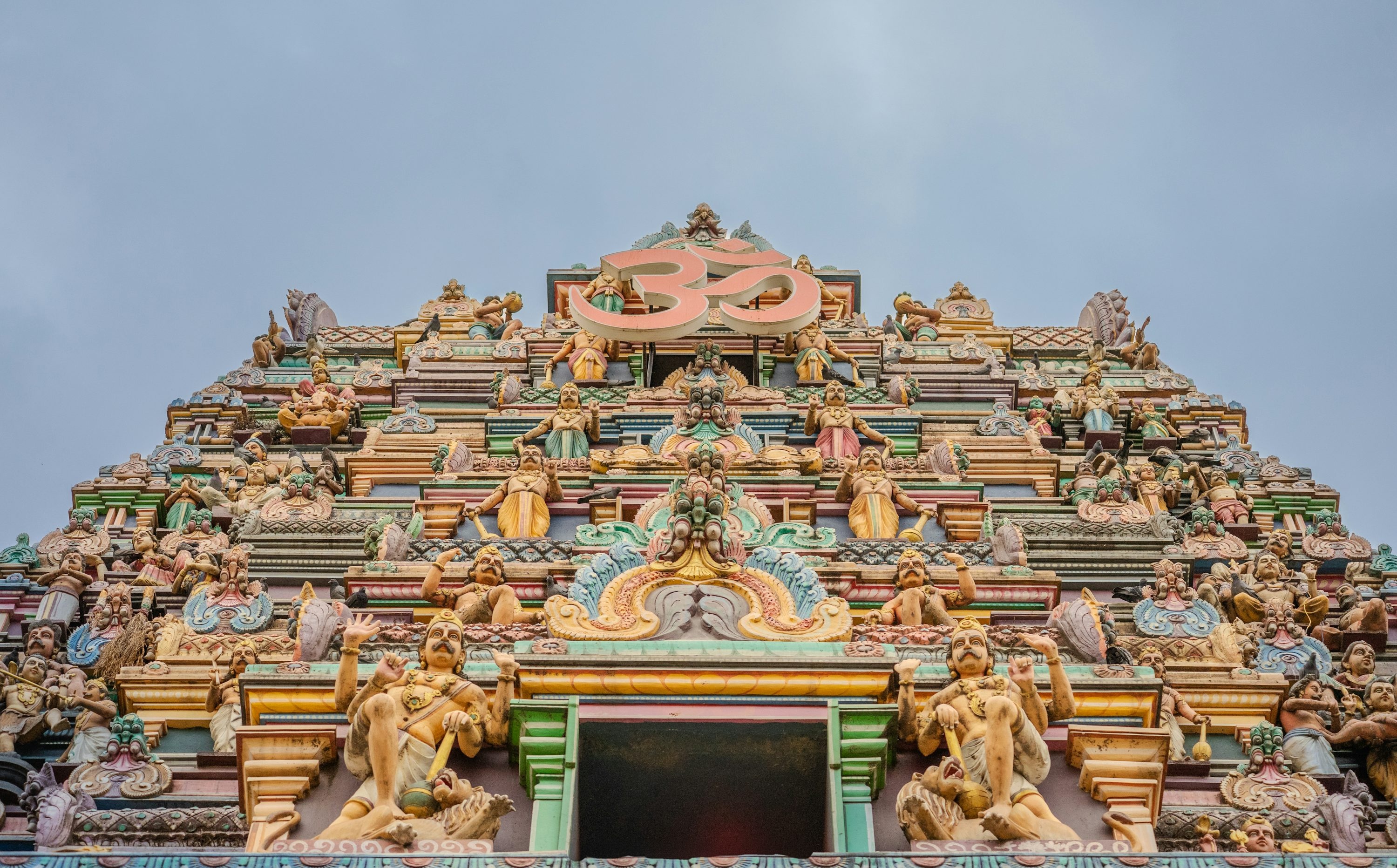
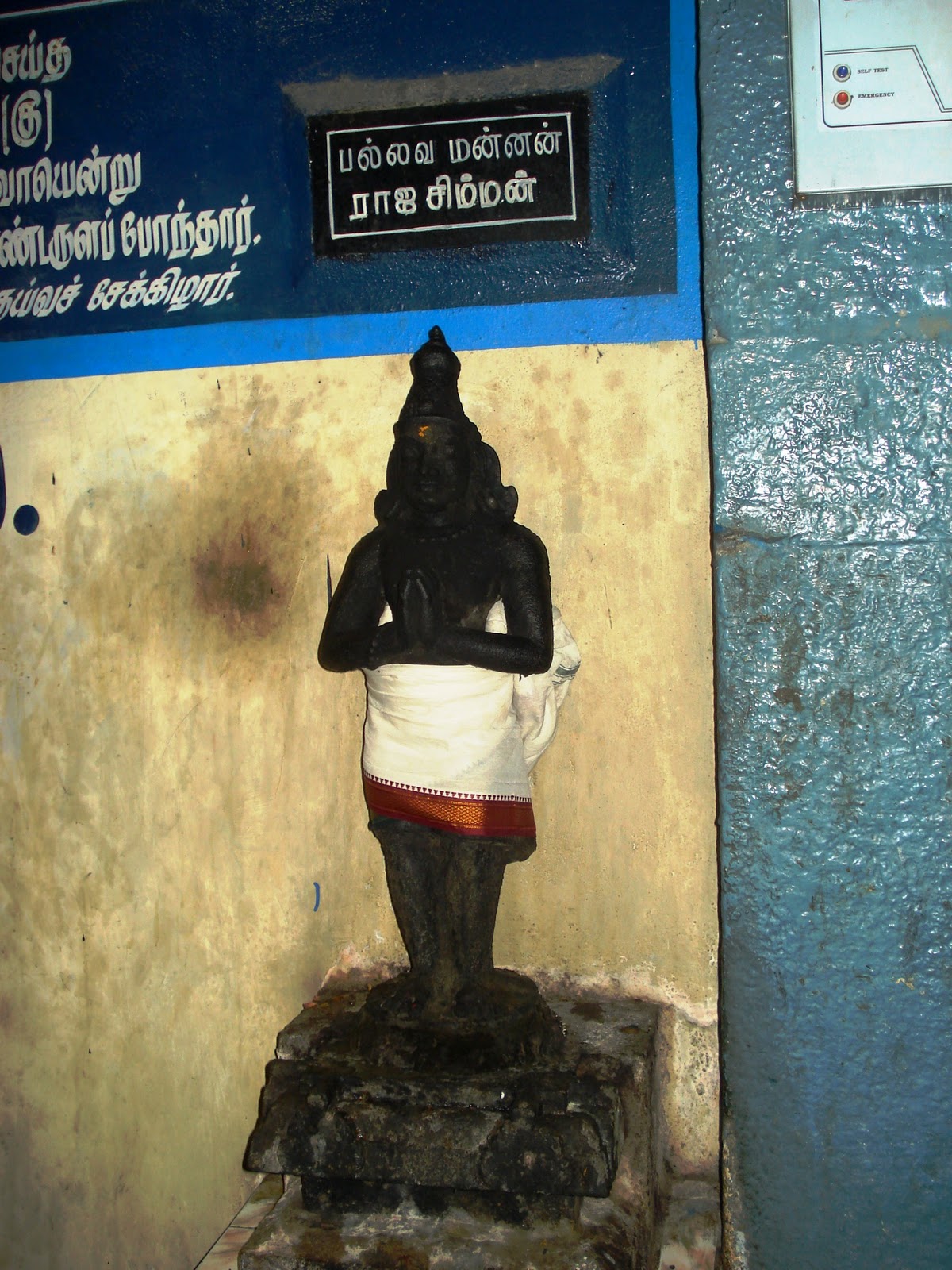
Hridayaleeswarar Temple at Thirunindravur is singular — its very name means Lord (Iswar) who resides in the Heart (Hridaya). This is the only known Shiva temple in Tamil Nadu bearing this name, making it the natural parihara sthalam for all cardiac conditions. Built by Pallava King Rajasimha (7th–8th c. CE) with a rare Gaja-brushta (elephant-back) Vimana, the temple enshrines the extraordinary legend of Poosalar Nayanar, who built an entire temple within his heart.
Why This Temple?
In Shaiva philosophy, the heart is the innermost shrine of the Divine — the Hridaya Guhara (cave of the heart) where Shiva eternally resides in every being. Hridayaleeswarar manifests this teaching physically. The goddess Maragadambikai ("emerald mother") is associated with the heart chakra and faces south — the direction of Yama — symbolising her power to hold death at bay for those with life-threatening cardiac conditions.
Sacred Rituals & Offerings
Monday Heart Prayers (12-Monday Vrat)
Mondays are most powerful here. Devotees with cardiac conditions perform a 12-Monday (3-month) vrat, visiting each Monday for full darshan (main sanctum, Poosalar statue, Maragadambikai), sponsoring abhishekam with milk, rose water, and bilva leaves, and circumambulating nine times chanting "Om Hridayaleswaraya Namah."
Maragadambikai (Goddess of Emerald) Darshan
The goddess is associated with cardiac health — "Maragatha" means emerald, the gem of the heart chakra — and worshipped with green offerings. She faces south, symbolising her power to hold death at bay for those with life-threatening cardiac conditions.
The Poosalar Nayanar Legend
Poosalar, too poor to build a temple, built one entirely within his heart through years of unwavering visualisation. Lord Shiva chose to attend his heart-temple's consecration over the Pallava king's stone temple — teaching that the truest temple is within the human heart. His statue stands in the sanctum beside the Lingam.
Cardiologists' Blessing Tradition
Cardiologists from Chennai and surrounding districts have been documented visiting the temple to pray for their critically ill cardiac patients — a cross-validation that lends unique credibility to this cardiac-focused parihara.
Om Hridayaleswaraya Namah · Hridaya Roga Vinashanaya · Maragadambikai Sahitha · Poosalar Nayanar Anugrahena Svaha
“Salutations to the Lord of the Heart, destroyer of heart disease, with Maragadambikai, by the grace of Poosalar Nayanar.”
The Healing Protocol
Undertake the 12-Monday (3-month) vrat, visiting every Monday
Begin each visit with full darshan of the sanctum, Poosalar statue, and Maragadambikai
Sponsor a Monday-morning abhishekam with milk, rose water, and bilva leaves
Offer green-coloured offerings to Maragadambikai for cardiac grace
Circumambulate the temple nine times chanting the Hridayaleeswarar mantra
Reflect on the Poosalar teaching — sincere inner devotion above outward form
Continue cardiology treatment and follow your cardiologist's guidance throughout
Devotee Testimonials
“Cardiologists from Chennai and surrounding districts have been documented visiting Hridayaleeswarar Temple to pray for their critically ill cardiac patients — a cross-validation that lends unique credibility to the parihara tradition.”
“The legend of Poosalar Nayanar, who built a temple entirely within his heart, is invoked by devotees as proof that the truest healing of the heart begins within — the saint’s statue stands in the sanctum beside the Lingam.”
“Heart patients undertake the 12-Monday vrat, returning each week to bathe the Lingam and pray; families describe steadier rhythm and renewed strength by the close of the vow.”
“The temple’s very name — Lord of the Heart — draws those facing cardiac fear, who describe the shrine as a place where anxiety of the heart, physical and emotional alike, is quieted.”
These accounts are drawn from devotee testimonials, temple traditions, and regional cultural sources documented by the Abhyudaya Foundation. They are matters of faith and are shared for spiritual and cultural context only — they are not medical claims.
Best Days to Visit
Mondays (Shiva's sacred day) are the most powerful for cardiac prayers — ideally as a 12-Monday vrat spanning three months.
Frequently Asked Questions
Hridayaleeswarar Temple at Thirunindravur, Tiruvallur District, Tamil Nadu — the only Shiva temple named "Lord of the Heart" — is the traditional cardiac parihara sthalam, just 32–35 km from Chennai.
Devotees with cardiac conditions (or whose family members have heart disease) visit each Monday for three months, performing abhishekam with milk, rose water, and bilva leaves, and circumambulating nine times while chanting the Hridayaleeswarar mantra.
Poosalar, too poor to build a stone temple, constructed one entirely within his heart through years of visualisation. Lord Shiva chose to attend his heart-temple's consecration over the Pallava king's grand stone temple — teaching that the truest temple resides within the human heart.
The goddess Maragadambikai ("emerald mother") is linked to the heart chakra — "Maragatha" meaning emerald — and faces south, the direction of Yama, symbolising her power to protect those with life-threatening cardiac conditions.
- [1]Abhyudaya Foundation – K Nanda Kishore Reddy, Temple Research Series
- [2]Charaka Samhita – Hridroga Chikitsa (heart disease chapter)
- [3]HR&CE Tamil Nadu documentation, Tiruvallur District
- [4]Periya Puranam – life of Poosalar Nayanar
Devotee Reviews & Experiences
Sign in to share your temple experience and leave a review.
Sign in to ReviewRelated Conditions
All Diseases · Thyroid · BP
The supreme healing temple of India — the shrine of Vaidyanathar, the Divine Physician — for all diseases, thyroid, BP, and chronic conditions, with the Siddhamirtham sacred tank and the world-famous Nadi Jyothishyam palm-leaf tradition.
Asthma & Respiratory
The primary respiratory parihara shrine of coastal Karnataka, where a Chowta queen was cured of asthma in 12 days — home of the Gandha Prasada (sandalwood paste) and the medicinal Ubbassa Theertha spring.
Diabetes
Ancient 1,300-year-old Chola-era temple with a unique Sugarcane Lingam — home of the 48-day Madhumeha-hara vrat and the sacred ant-feeding ritual for diabetes.
Important Disclaimer
Information on this website is gathered from Abhyudaya Foundation YouTube series (K Nanda Kishore Reddy, Temple Quest) and Abacus.ai AI-powered deep research. This is for spiritual and cultural guidance only — NOT medical advice. Omni Neural Nets Pvt Ltd and Pavan Kumar Rachumallu are not responsible for any outcomes from following these suggestions. Always consult a qualified medical professional for health concerns.