Asthma & Respiratory
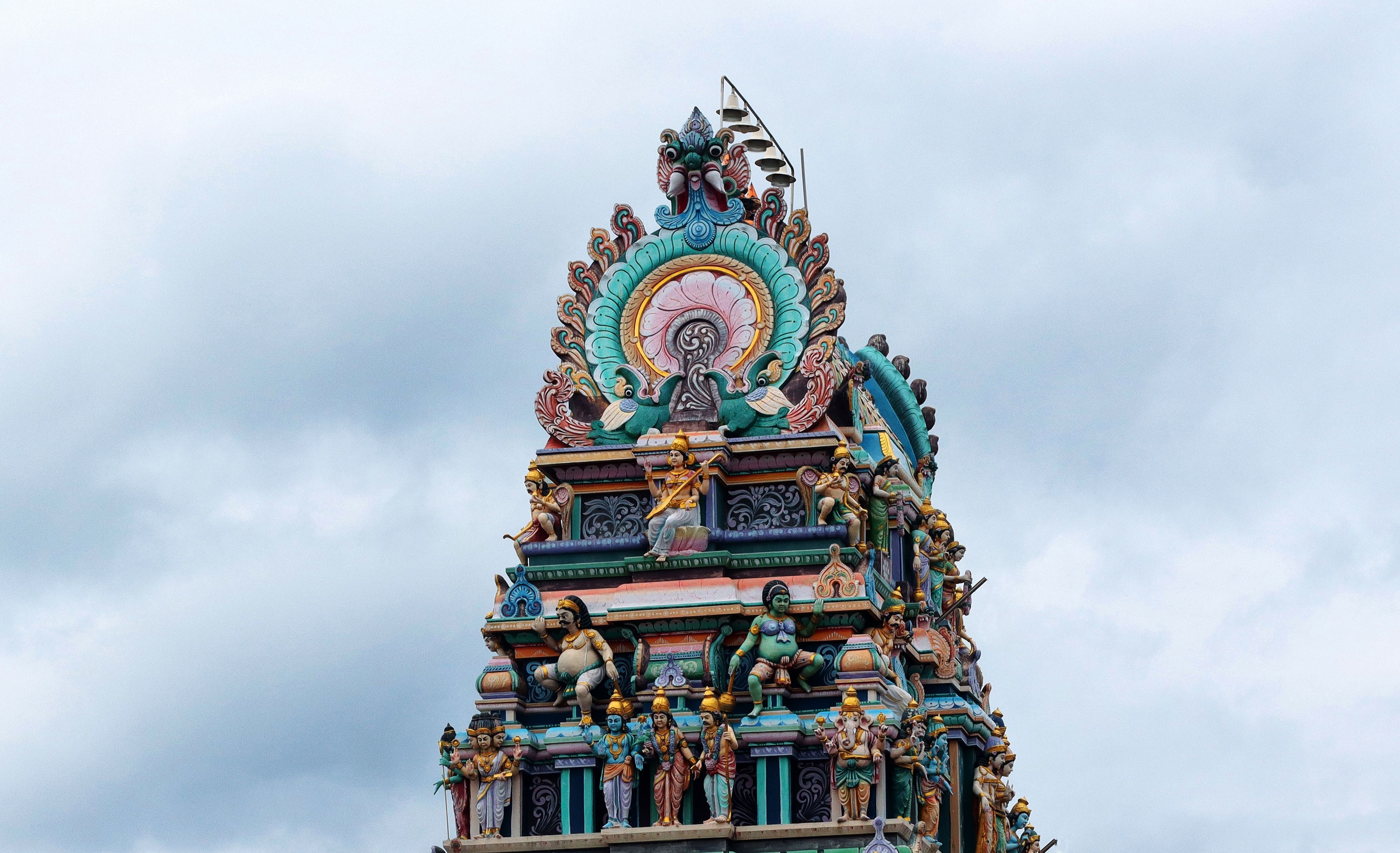
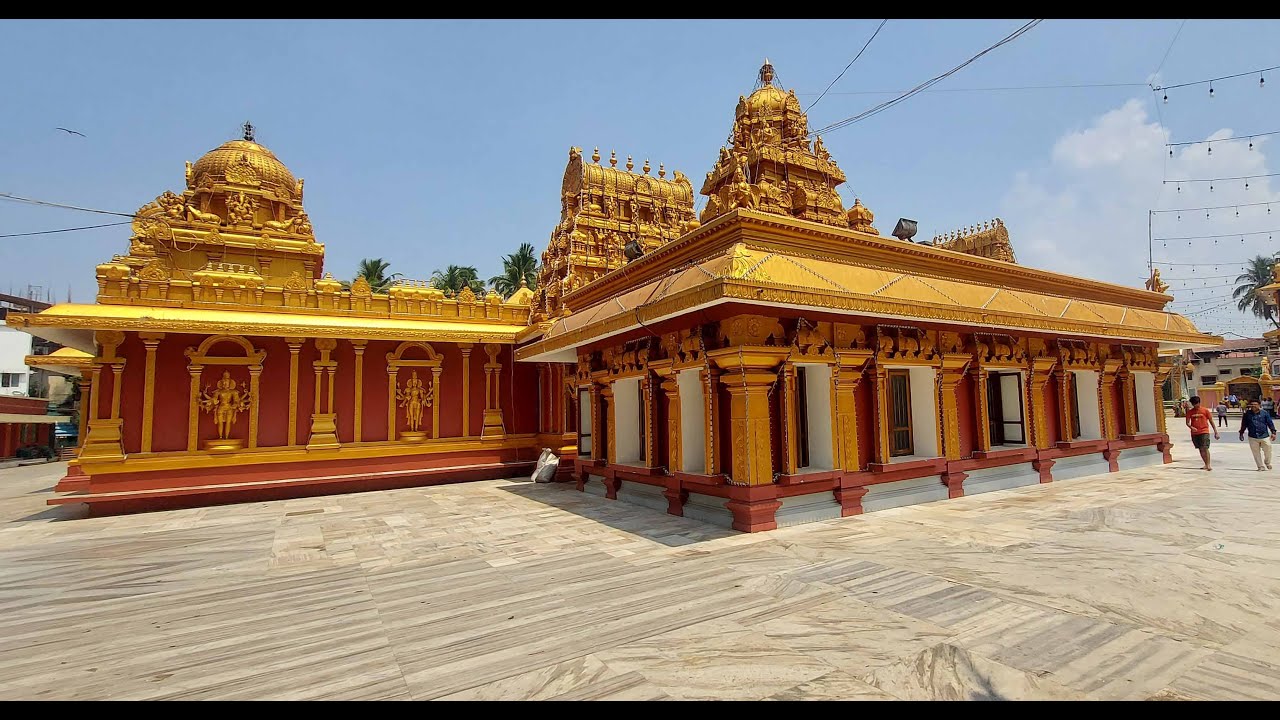
Sri Adinatheshwara Alayam
Gandha Prasada · Ubbassa Theertha · Chowta Queen Cured in 12 Days
Understanding Asthma & Respiratory
Asthma — classified in Ayurveda as Shvasa Roga (breathing disease) and Tamaka Shvasa (Vata-Kapha obstruction causing severe attacks) — is among the most distressing chronic conditions. The Charaka Samhita identifies Shvasa as one of the five great Vata-Kapha diseases requiring sustained management through both internal medications and environmental healing.
About the Temple
Sri Adinatheshwara Alayam at Adyapady stands as the primary parihara shrine for respiratory disorders in the Tulu Nadu tradition — uniquely combining a sacred sandalwood-paste prasadam (Gandha Prasada) with a medicinal spring water (Ubbassa Theertha). Its healing reputation is anchored in a royal validation: the queen of the medieval Chowta dynasty, cured of severe, debilitating asthma after 12 consecutive days of the temple's remedies, and the dynasty became major patrons.
Why This Temple?
The presiding deity Adinatheshwara is the Primal Lord — the destroyer of primal diseases. The temple's Gandha Prasada (fresh sandalwood paste) is applied to the chest, throat, and forehead — the three zones of respiratory function — and sandalwood's santalol has documented bronchodilatory effects. The Ubbassa Theertha spring water, richer in minerals than ordinary groundwater, is used for both drinking and steam inhalation.
Sacred Rituals & Offerings
Gandha Prasada (Sandalwood Paste)
Sandalwood is ground fresh daily on granite, applied to the deity as abhishekam, then distributed as Gandha Prasada. Devotees apply it to the chest, throat, and forehead — the three zones of respiratory function — daily each morning for the 12-day protocol. Sandalwood's santalol has documented bronchodilatory and anti-spasmodic effects.
Ubbassa Theertha (Medicinal Spring Water)
A natural spring behind the temple, found to carry higher mineral concentrations than regular groundwater. Devotees drink 100–200 ml on arrival; for serious conditions, daily for 12 consecutive days. It can also be used for steam inhalation — analogous to modern nebulizer therapy.
Mathsya Teertha (Fish Spring)
A second sacred spring on the premises with naturally occurring sacred fish — indicating naturally aerated, oxygen-rich water. Drinking from it is traditionally associated with throat and lung healing.
Thula Bhara Seva (Weight-Equal Offering)
On receiving healing, the devotee is weighed and an equivalent weight of sandalwood, rice, or jaggery is offered to the deity — a public thanksgiving and vow completion.
Adinatha Mahadeva Adiroga Vinashana · Adishatru Vinashaya · Adinathaya Te Namaha
“O Primal Great Lord, destroy all primal diseases and primal enemies — salutations to the Primal Lord.”
The Healing Protocol
Obtain the Gandha Prasada and apply it to chest, throat, and forehead each morning
Drink 100–200 ml of Ubbassa Theertha spring water on arrival
Continue the sandalwood-paste and spring-water regimen for 12 consecutive days (the Chowta queen's protocol)
Use the Ubbassa Theertha for gentle steam inhalation
Drink from the Mathsya Teertha for throat and lung support
On recovery, perform Thula Bhara Seva as thanksgiving
Continue prescribed inhalers and pulmonology care throughout
Devotee Testimonials
“A queen of the Chowta dynasty suffered from severe, debilitating asthma that royal physicians could not cure. She took refuge at Adinatheshwara Alayam, consumed the Gandha Prasada and Ubbassa Theertha daily for 12 consecutive days, and was completely cured — her dynasty went on to become major patrons of the temple.”
“The Gandha Prasada, a fresh sandalwood paste, is applied to the chest, throat, and forehead; devotees note that sandalwood’s santalol has documented bronchodilatory effects, complementing the ritual’s spiritual power.”
“The mineral-rich Ubbassa Theertha spring water is used both for drinking and for steam inhalation through the 12-day protocol — a practice respiratory sufferers credit with easier breathing.”
“Cured devotees traditionally return to perform the Thula Bhara Seva — offering their weight in grain or produce in thanksgiving — a public act of gratitude that has sustained the temple’s reputation for generations.”
These accounts are drawn from devotee testimonials, temple traditions, and regional cultural sources documented by the Abhyudaya Foundation. They are matters of faith and are shared for spiritual and cultural context only — they are not medical claims.
Best Days to Visit
Mondays and Pradosham days are auspicious for Shiva worship. The 12-day continuous protocol may begin on any auspicious day; obtain maximum Gandha Prasada for home use if visiting once.
Frequently Asked Questions
Sri Adinatheshwara Alayam at Adyapady, near Mangalore in Dakshina Kannada, Karnataka is the primary respiratory parihara shrine, offering the Gandha Prasada sandalwood paste and the Ubbassa Theertha medicinal spring water.
Mirroring the cure of the Chowta queen, devotees apply the Gandha Prasada to chest, throat, and forehead each morning and drink the Ubbassa Theertha for 12 consecutive days, alongside continued medical treatment.
Sandalwood (Santalum album) contains santalol, a compound with documented bronchodilatory and anti-spasmodic effects in pharmacological studies. Applied to the chest and throat and inhaled, it complements the temple's spiritual healing.
Very accessible — it is just 3–4 km from Mangaluru International Airport and around 12 km from Mangalore city.
- [1]Abhyudaya Foundation – K Nanda Kishore Reddy, Temple Research Series
- [2]Charaka Samhita – classification of Shvasa Roga / Tamaka Shvasa
- [3]Dharma Degula Darshana & Inspire Kannada TV temple documentation
- [4]Pharmacological studies on santalol (Santalum album) and bronchodilation
Devotee Reviews & Experiences
Sign in to share your temple experience and leave a review.
Sign in to ReviewRelated Conditions
Cancer Healing Temples
A curated knowledge base of seven of India's most revered cancer-healing temples — from Ettumanoor's 41-day prasadam protocol to the Karkadeswarar "Crab Temple" and the shrine where Lord Vishnu was healed of cancer.
All Diseases · Thyroid · BP
The supreme healing temple of India — the shrine of Vaidyanathar, the Divine Physician — for all diseases, thyroid, BP, and chronic conditions, with the Siddhamirtham sacred tank and the world-famous Nadi Jyothishyam palm-leaf tradition.
Cardiac & Heart Health
The only Shiva temple named "Lord of the Heart" — the cardiac parihara sthalam of Tamil Nadu, immortalised by the Poosalar Nayanar legend of a temple built entirely within the heart.
Important Disclaimer
Information on this website is gathered from Abhyudaya Foundation YouTube series (K Nanda Kishore Reddy, Temple Quest) and Abacus.ai AI-powered deep research. This is for spiritual and cultural guidance only — NOT medical advice. Omni Neural Nets Pvt Ltd and Pavan Kumar Rachumallu are not responsible for any outcomes from following these suggestions. Always consult a qualified medical professional for health concerns.