Arthritis & Joint Disorders
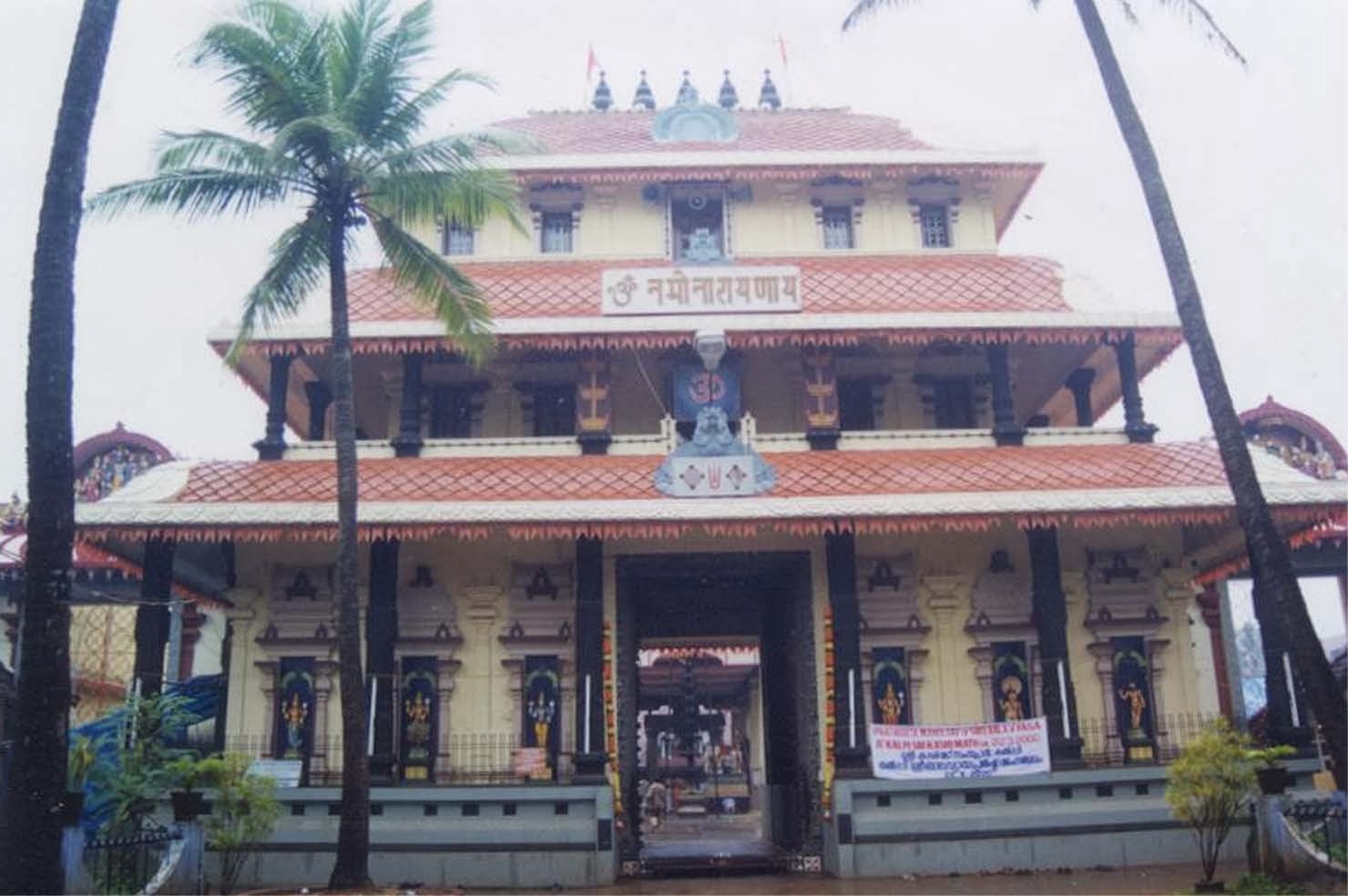
Chottanikkara Bhagavathy Temple
Guruthi Pooja at Keezhkavu · 12-Pot Turmeric Offering · Pala Tree Nail Tradition · 8 PM Daily
Understanding Arthritis & Joint Disorders
Arthritis — rheumatoid arthritis, osteoarthritis, and joint degeneration — is classified in Ayurveda primarily as Amavata (rheumatoid, caused by ama-toxins and disturbed Vata) and Sandhivata (osteoarthritis, Vata-dominant joint depletion). The Ashtanga Hridayam treats these extensively, noting their deep-seated, chronic nature requiring sustained intervention.
About the Temple
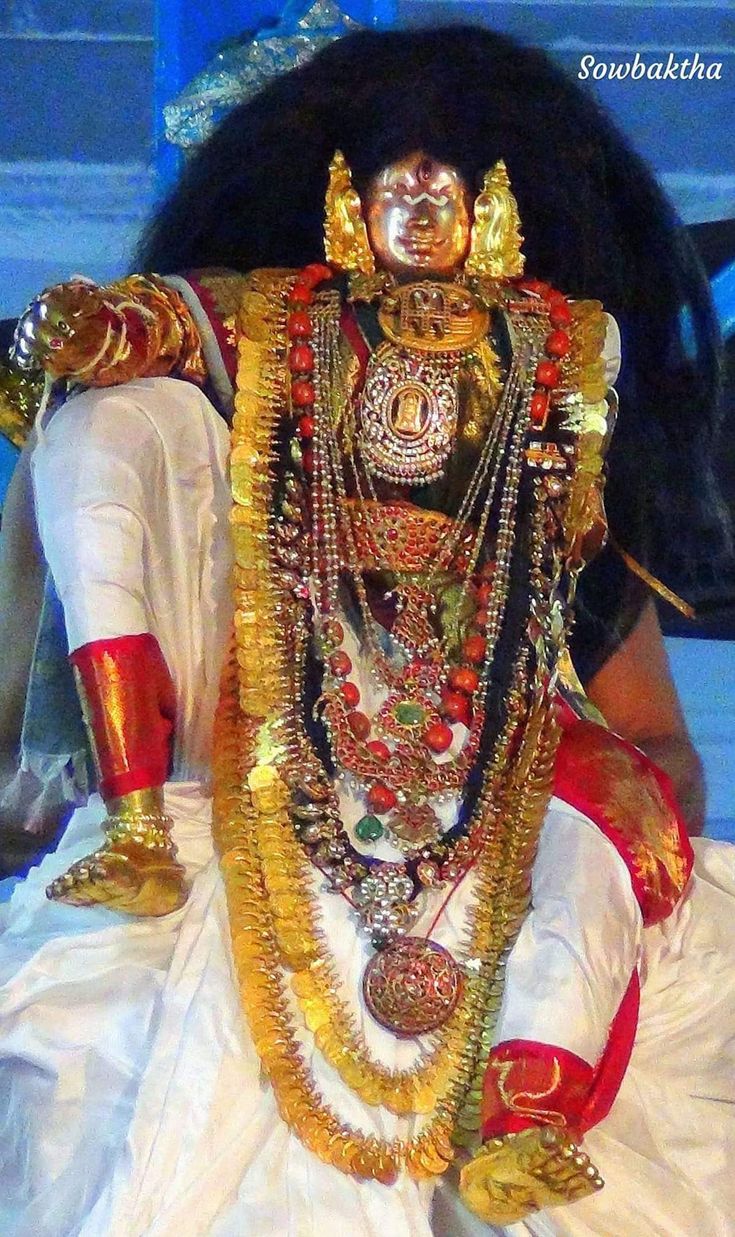
The Chottanikkara Bhagavathy Temple — one of Kerala's most powerful and renowned shrines — holds a specific healing tradition for joint disorders through the Guruthi Pooja at the Keezhkavu shrine of Bhadrakali. A complete pilgrimage involves two shrines: the main temple above, where Bhagavathy is worshipped as Saraswati in the morning, Lakshmi at noon, and Durga in the evening; and Keezhkavu below, the fierce Bhadrakali shrine where the disease-removal ritual is performed. Both must be visited for the parihara to be complete.
Why This Temple?
The temple follows the Tantric Kerala tradition. Its Guruthi Pooja offers a symbolic substitute for blood — a red liquid of turmeric, lime, and water — to the fierce goddess Bhadrakali, who accepts the disease-energy carried by devotees as her sacrifice, relieving them of the affliction. Turmeric's active compound curcumin is itself a documented anti-inflammatory studied in arthritis trials.
Sacred Rituals & Offerings
Guruthi Pooja at Keezhkavu (8:00 PM Daily)
A Tantric ritual in which twelve earthen pots of turmeric, slaked lime, and water — which turn blood-red through a chemical reaction — are offered to Bhadrakali, representing 12 manifestations of disease-energy. Now performed daily (formerly Fridays only) with Sanskrit and Malayalam mantras, chenda drumming, and lamp offerings. The blessed turmeric water is applied to the affected joints.
Pala Tree Nail-Driving Tradition
Devotees drive iron nails into the sacred Pala tree (Alstonia scholaris), symbolically nailing down the disease and surrendering it to Bhagavathy. With focused prayer naming the affliction, they fix the disease in place — a practice performed for arthritis, joint pain, mental illness, and chronic conditions.
Two-Shrine Pilgrimage
The parihara requires visiting both shrines in sequence: the main temple first (receiving Bhagavathy's protection and blessing), then Keezhkavu (for the specific disease-removal ritual). Priests advise this order for full efficacy.
Guruthi Prasadam Joint Application
The blessed, diluted Guruthi (turmeric water) is received as prasadam and applied externally on the affected joints by devotees — echoing turmeric's Ayurvedic use as an anti-inflammatory.
Om Bhadra Kalyai Namah · Amavata Sandhivata Vinashanaya · Guruthi Nivedya · Rogam Nasaya Svaha
“O Bhadrakali, accepting this Guruthi offering, destroy Amavata and Sandhivata within me.”
The Healing Protocol
Visit the main temple first for Bhagavathy's darshan and blessing
Proceed to Keezhkavu and present a written or verbal petition of your condition before the 8 PM Guruthi Pooja
Participate in the nightly Guruthi Pooja to Bhadrakali
Receive the blessed Guruthi prasadam and apply it to the affected joints
Drive a symbolic nail into the sacred Pala tree naming your affliction
Observe the traditional 7-consecutive-Fridays parihara, then monthly Friday visits
Continue rheumatology / orthopaedic care throughout
Devotee Testimonials
“Cardiologists and orthopedic specialists from Ernakulam have been documented visiting Chottanikkara to pray for patients suffering severe joint and cardiac conditions — a cross-domain endorsement that reflects deep faith in the temple’s healing tradition.”
“In the Guruthi Pooja at the Keezhkavu Bhadrakali shrine, devotees drive nails into the sacred Pala tree as an act of surrendering the disease — a ritual generations have described as the moment their joint pain began to lift.”
“Turmeric-infused Guruthi water is applied to the afflicted joints; devotees note the parallel with curcumin’s known anti-inflammatory action, taking it as the divine and the medicinal meeting in one offering.”
“A complete parihara requires worship at both the upper Bhagavathy shrine and the lower Bhadrakali shrine — pilgrims insist it is this completeness that makes the joint-healing tradition effective.”
These accounts are drawn from devotee testimonials, temple traditions, and regional cultural sources documented by the Abhyudaya Foundation. They are matters of faith and are shared for spiritual and cultural context only — they are not medical claims.
Best Days to Visit
Fridays (Sukravara) are traditional for the arthritis parihara — ideally 7 consecutive Fridays, each with the 8 PM Guruthi Pooja, followed by monthly Friday visits.
Frequently Asked Questions
Chottanikkara Bhagavathy Temple in Ernakulam District, Kerala is renowned for joint-disorder parihara through the nightly Guruthi Pooja at its Keezhkavu Bhadrakali shrine and the Pala tree nail tradition.
Temple tradition strongly recommends visiting both — the main temple first for Bhagavathy's protection, then Keezhkavu for the disease-removal ritual. Priests advise this sequence for full parihara efficacy.
Yes. The ceremony is open to all devotees regardless of religion, caste, or background — Chottanikkara is known for its inclusive tradition, though inner-sanctum access follows temple norms.
Curcumin, the active compound in turmeric, has documented anti-inflammatory properties and has been studied in clinical trials for arthritis. The ritual application of Guruthi prasadam on joints combines spiritual intention with a recognised Ayurvedic anti-inflammatory.
- [1]Abhyudaya Foundation – K Nanda Kishore Reddy, Temple Research Series
- [2]Ashtanga Hridayam – chapters on Amavata and Sandhivata
- [3]Chottanikkara Devaswom temple documentation, Kerala
- [4]Peer-reviewed studies on curcumin and inflammatory joint disease
Devotee Reviews & Experiences
Sign in to share your temple experience and leave a review.
Sign in to ReviewRelated Conditions
All Diseases · Thyroid · BP
The supreme healing temple of India — the shrine of Vaidyanathar, the Divine Physician — for all diseases, thyroid, BP, and chronic conditions, with the Siddhamirtham sacred tank and the world-famous Nadi Jyothishyam palm-leaf tradition.
Kidney Disease
Ancient Chola-era temple with a Swayambhu ruby-red Lingam and the legendary Brahma Theertham spring — home of the 48-day sacred water protocol and vetiver garland ritual for kidney health.
Cardiac & Heart Health
The only Shiva temple named "Lord of the Heart" — the cardiac parihara sthalam of Tamil Nadu, immortalised by the Poosalar Nayanar legend of a temple built entirely within the heart.
Important Disclaimer
Information on this website is gathered from Abhyudaya Foundation YouTube series (K Nanda Kishore Reddy, Temple Quest) and Abacus.ai AI-powered deep research. This is for spiritual and cultural guidance only — NOT medical advice. Omni Neural Nets Pvt Ltd and Pavan Kumar Rachumallu are not responsible for any outcomes from following these suggestions. Always consult a qualified medical professional for health concerns.